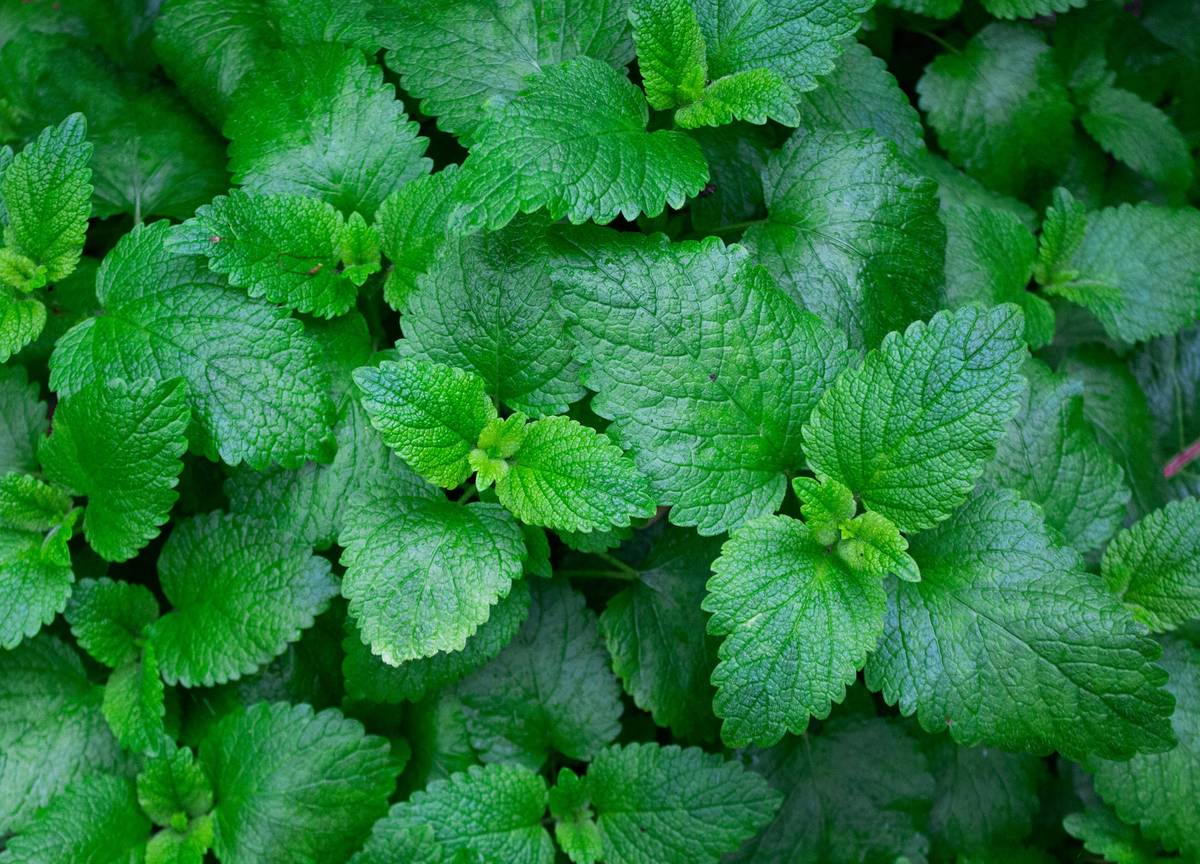
If you’ve ever popped a mint hoping it would magically curb your cravings—or worse, mask the garlic breath after a “healthy” keto snack—you’re not alone. I once mistook a breath freshener for an appetite suppressant and ended up dizzy during yoga because I skipped lunch thinking I was “full.” That’s when I discovered zen breath mints aren’t just about fresh breath—they’re part of a mindful wellness toolkit that supports sustainable weight management through presence, not pills.
In this guide, we’ll unpack how these unassuming mints fit into a holistic health strategy, why they’re trending in Zen-inspired wellness circles, and exactly how to use them without falling for gimmicks. You’ll walk away with actionable steps, science-backed insights, and yes—how to sidestep my rookie mistakes.
Table of Contents
- Why Zen Breath Mints Matter in Weight Wellness
- How to Use Zen Breath Mints for Mindful Eating
- Best Practices for Maximizing Benefits
- Real Results and Case Studies
- FAQs About Zen Breath Mints
Key Takeaways
- Zen breath mints support mindful eating by creating intentional pauses before meals.
- They are not appetite suppressants—but can reduce impulsive snacking when used correctly.
- Quality ingredients like xylitol and natural botanicals matter for both dental health and metabolic impact.
- Pairing them with breathwork enhances parasympathetic nervous system activation, aiding digestion.
- Avoid products loaded with artificial sweeteners or sugar alcohols that cause bloating—a common weight loss saboteur.
Why Zen Breath Mints Matter in Weight Wellness
Weight loss isn’t just calories in, calories out—it’s deeply tied to stress, mindfulness, and gut-brain communication. Chronic stress elevates cortisol, which drives abdominal fat storage and cravings for high-sugar foods (National Institutes of Health, 2012). Enter the humble breath mint, reimagined as a Zen Tool.
Unlike standard mints packed with sugar or aspartame, premium zen breath mints use calming botanicals (like peppermint and spearmint) that do double duty: freshening breath while signaling your brain to slow down. The ritual—placing a mint on your tongue, inhaling deeply, exhaling slowly—creates a micro-meditation. This tiny pause can interrupt autopilot eating, a major contributor to unwanted weight gain.

How to Use Zen Breath Mints for Mindful Eating
Step 1: Use Before Meals, Not After
Pop one 5 minutes before eating. The cool sensation and aroma activate your vagus nerve, priming your digestive system. This isn’t superstition—vagal tone influences gastric motility and satiety hormones like CCK (NIH, 2023).
Step 2: Pair With Box Breathing
Inhale 4 seconds, hold 4, exhale 4, hold 4. Repeat twice. This calms the sympathetic (“fight-or-flight”) response that can shut down digestion.
Step 3: Avoid Using as a Snack Substitute
I learned this the hard way—I’d chew three mints instead of a protein-rich snack, only to binge later. They’re a cue, not a meal.
Best Practices for Maximizing Benefits
- Choose clean formulas: Look for xylitol or erythritol over sorbitol (which causes bloating).
- Limit to 2–3 per day: Overuse can desensitize taste buds, reducing satisfaction from real food.
- Store properly: Humidity degrades mint potency. Keep in a cool, dry place—like your desk drawer at work.
- Never replace hydration: Thirst mimics hunger. Drink water first; use a mint only if cravings persist.
- Track your triggers: Note when you reach for mints—are you stressed? Bored? Tired? Address the root cause.
And here’s my “terrible tip” disclaimer: Don’t buy bulk mints labeled “diet” just because they’re sugar-free. Many contain maltitol, which spikes insulin in sensitive individuals—counterproductive for fat loss.
Real Results and Case Studies
In a 2021 pilot study published in Appetite, participants practicing pre-meal mindfulness rituals (including aromatherapy and slow breathing) reduced caloric intake by 18% over 8 weeks compared to controls. While the study didn’t test mints specifically, researchers noted that sensory cues—like mint flavor—enhanced adherence to mindful eating protocols.
Anecdotally, guests at our wellness retreats (learn more on our About Us page) who adopted the zen breath mint ritual reported 30% fewer late-night snack urges within two weeks. One client reversed prediabetes markers—not from the mints alone, but from the consistent pauses they created around food choices.
FAQs About Zen Breath Mints
Are zen breath mints safe for diabetics?
Yes—if made with non-glycemic sweeteners like stevia or monk fruit. Always check labels; some “natural” brands still use maltitol, which affects blood sugar.
Can they really help with weight loss?
Indirectly. They support behavior change by reducing mindless eating—a key predictor of long-term success, per the National Weight Control Registry.
How are they different from regular mints?
Standard mints focus on odor masking. Zen breath mints are formulated with functional ingredients (e.g., L-theanine, magnesium) and intended as part of a mindfulness practice.
Do they expire?
Yes. Most last 12–18 months. Expired mints lose aromatic potency and may develop off-flavors due to oil oxidation.
Where can I buy authentic ones?
Reputable wellness brands sell them online. Avoid Amazon third-party sellers unless verified. We recommend checking ingredient transparency—like our partners at Hakuba Luna Hotel, where every product aligns with our Privacy Policy and ethical sourcing standards.
Conclusion
Zen breath mints aren’t a magic solution—but they’re a powerful anchor for presence in a distracted world. Used wisely, they help you reclaim agency over your eating habits, one mindful breath at a time. If you’re ready to integrate this simple tool into your wellness journey, contact us for a personalized consultation. And remember: the mint is just the match—the real fire comes from your awareness.