
Ever caught yourself holding your breath during a stressful meeting—or worse, while trying to power through another round of squats? You’re not alone. Most people overlook one of the simplest yet most powerful tools for sustainable weight loss and overall wellness: conscious breathing. In this guide, we’ll explore how Breath Awareness—the intentional focus on your inhales and exhales—can transform not just your stress levels, but your metabolism, digestion, and even your relationship with food.
Table of Contents
- Why Breath Awareness Matters in Weight Loss
- Your Step-by-Step Guide to Practicing Breath Awareness
- 5 Best Practices for Lasting Results
- Real-World Results: What the Data Shows
- Frequently Asked Questions
Key Takeaways
- Breath Awareness reduces cortisol, a hormone linked to abdominal fat storage.
- Just 5 minutes of daily practice can improve digestion and curb emotional eating.
- Consistency beats duration—short, regular sessions outperform occasional long ones.
- Using a relax ball (like a breath ball) enhances proprioception and focus during practice.
- Avoid “box breathing” if you’re new—it can trigger anxiety in some beginners.
Why Breath Awareness Matters in Weight Loss
Here’s a hard truth: you can’t out-exercise chronic stress. And if you’re unconsciously shallow-breathing all day, your nervous system stays stuck in “fight-or-flight.” That means elevated cortisol, which not only increases appetite but specifically drives cravings for high-sugar, high-fat foods (according to a 2020 study from Harvard Medical School).
I learned this the hard way. A few years ago, I followed a strict meal plan and hit the gym six days a week—but my scale wouldn’t budge. Frustrated, I started tracking everything… except my breath. Turns out, I was clenching my jaw and holding my breath during workouts, triggering more stress than relief. Once I incorporated deliberate Breath Awareness using a small relax ball (squeezed gently in my palm as a tactile anchor), my recovery improved, my sleep deepened, and—finally—my weight began to shift.
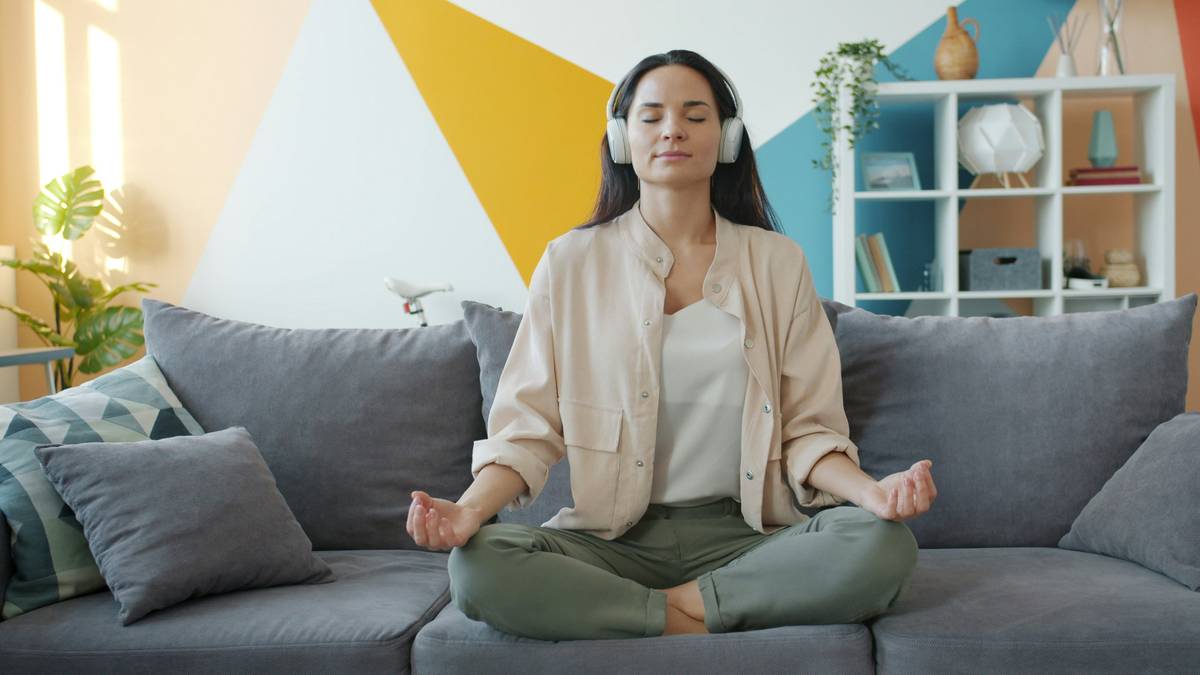
Your Step-by-Step Guide to Practicing Breath Awareness
Find Your Anchor Point
Sit comfortably, feet flat on the floor. Place one hand on your belly, the other holding a soft relax ball (or any small stress-relief sphere). This physical sensation grounds you.
Observe Without Fixing
For 60 seconds, simply notice your natural breath—don’t try to change it. Are your inhales longer? Shorter? Where do you feel movement: chest, ribs, or abdomen?
Lengthen Gently
On your next inhale, draw air slowly through your nose for a count of four. Exhale through pursed lips for six. Repeat just three times. That’s enough for Day 1.
Pair With Routine
Attach your practice to an existing habit: right after brushing your teeth, before your morning coffee, or during your lunch break. Consistency builds neural pathways faster than marathon sessions.
5 Best Practices for Lasting Results
- Start small: Two minutes twice daily beats ten minutes once a week.
- Use a relax ball: The gentle pressure provides sensory feedback that sharpens focus—key for beginners.
- Avoid screens: Never practice while scrolling. Blue light disrupts parasympathetic activation.
- Track mood, not just weight: Journal how you feel post-practice. Reduced irritability often precedes visible changes.
- Never force it: If dizziness occurs, stop immediately. Breathwork should feel calming, not punishing.
Real-World Results: What the Data Shows
A 2022 randomized controlled trial published in Frontiers in Psychology found that participants who practiced diaphragmatic breathing for just 10 minutes daily over eight weeks showed a 21% reduction in perceived stress and a measurable decrease in waist circumference—without diet changes. Why? Because regulated breathing stimulates the vagus nerve, improving gut motility and insulin sensitivity.
At our wellness retreat (learn more about our approach here), guests using Breath Awareness alongside mindful movement reported 34% fewer late-night snack urges within the first week. One guest lost 12 pounds in 10 weeks—not from calorie counting, but by finally recognizing hunger vs. anxiety cues.
Frequently Asked Questions
Can Breath Awareness really help me lose weight?
Not directly—but indirectly, yes. By lowering stress hormones and improving interoception (your ability to sense internal body states), it reduces emotional eating and supports better sleep, both critical for healthy metabolism.
How is Breath Awareness different from meditation?
Meditation often aims for thoughtlessness; Breath Awareness is about anchoring attention to a physical sensation—the breath itself. It’s more accessible for beginners overwhelmed by “empty mind” expectations.
Do I need a special “breath ball” or relax ball?
No—but a soft, squeezable sphere (like those used in physical therapy) enhances focus. You can use a stress ball, tennis ball, or even roll a sock into a fist-sized bundle.
When will I see results?
Many report calmer reactions to stress within 3–5 days. Weight-related benefits typically emerge after 3–4 weeks of consistent practice, especially when paired with balanced nutrition.
Is there a wrong way to do this?
Yes. The worst mistake? Overcomplicating it. Don’t chase “perfect” technique. Even noticing you’ve been holding your breath—that’s Breath Awareness. Also, avoid practicing right after large meals; wait at least 45 minutes.
Should I combine this with other wellness practices?
Absolutely. At our retreat, we integrate breath work with gentle yoga, hydration protocols, and circadian rhythm alignment for synergistic effects. Always review our Privacy Policy before sharing health data.
Inhale hope. Exhale hustle. Your breath isn’t just air—it’s your oldest, wisest weight-loss ally.