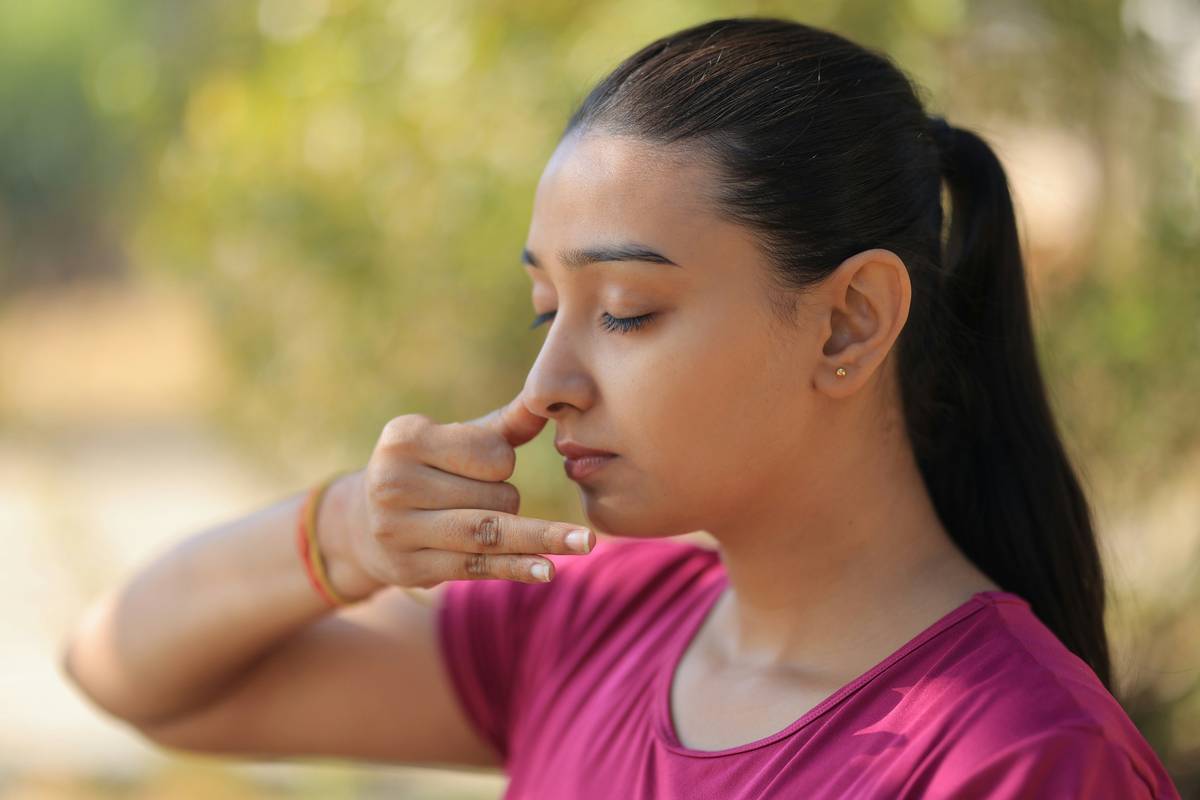
You’re exhausted. You’ve counted calories, hit the gym, tried intermittent fasting—and still feel emotionally hijacked by stress-eating, late-night cravings, or that gnawing emptiness no salad can fill. The real problem isn’t your diet. It’s your nervous system running on overdrive. And here’s the surprise: a simple breath ball might restore the Emotional Balance you’ve been chasing.
Why Willpower Alone Fails at Sustainable Weight Loss
Diet culture sold us a lie: that discipline is the golden ticket. But neuroscience tells a different story. Chronic stress floods your body with cortisol—triggering fat storage, especially around the abdomen, and amplifying emotional hunger. You can’t out-train that biochemistry.
Most weight loss plans ignore the nervous system entirely. They treat symptoms, not root causes. So you cycle between restriction and rebound binges—trapped in a loop where frustration breeds more stress, which fuels more cravings. It’s unsustainable. And it’s unnecessary.
The Breath Ball Protocol for Emotional Balance
Forget expensive apps or unproven supplements. The solution is tactile, immediate, and costs less than your weekly coffee run. A breath ball—often called a relax ball—isn’t just a fidget toy. It’s a biofeedback device disguised as simplicity.
Step 1: Activate the Parasympathetic Switch
Hold the ball in your dominant hand. Squeeze gently as you inhale through your nose for 4 seconds. Hold for 2. Exhale slowly through pursed lips for 6 seconds while releasing pressure. Repeat 5 times. This rhythmic resistance cues your vagus nerve to downshift from fight-or-flight to rest-and-digest.
Step 2: Pair with Mindful Anchoring
Don’t just squeeze—focus. Notice the texture. Feel the rebound of the material. Name three sensations aloud (“cool,” “springy,” “firm”). This sensory grounding interrupts rumination—the mental chatter that drives impulsive eating.
Step 3: Deploy Strategically, Not Randomly
Use your breath ball *before* known trigger moments: pre-meal, post-argument, during afternoon slumps. Consistency beats duration. Three 60-second sessions daily rewire stress responses faster than a 30-minute meditation you skip half the week.
| Method | Cost | Time to Effect | Emotional Balance Impact |
|---|---|---|---|
| Prescription Anti-Anxiety Meds | $50–$300/month | 2–6 weeks | Moderate (with side effects) |
| Daily Therapy Sessions | $100–$250/session | 4–8 weeks | High (long-term) |
| Breath Ball Protocol | $8–$25 (one-time) | Under 7 days | High (immediate regulation) |

The Industry Secret: Stress Isn’t Just Mental—It’s Mechanical
Here’s what fitness gurus won’t tell you: unresolved physical tension stores emotional patterns. Tight shoulders, clenched jaws, shallow breathing—they’re not just symptoms. They’re active contributors to metabolic dysregulation. And most relaxation techniques are passive (lying down, listening). The breath ball forces *active release*. The gentle compression creates micro-movements in your hand’s fascia, sending signals up the arm that literally loosen neural pathways tied to anxiety. Think about it: your hands are direct conduits to your brainstem. Squeeze right, and you bypass cognitive loops entirely. The math is simple—you regulate the body first, and the mind follows.
Frequently Asked Questions
Can a breath ball really affect weight loss?
Indirectly, yes. By lowering cortisol and reducing stress-driven eating, it removes a key barrier to fat loss—Emotional Balance stabilizes hunger hormones like ghrelin and leptin.
How often should I use it for best results?
Three focused sessions daily (morning, pre-lunch, evening) for 60 seconds each. Consistency matters more than marathon sessions.
Is it better than deep breathing alone?
For most people, yes. The tactile feedback provides an anchor that prevents drifting thoughts—making the practice stickier and more effective under real-world stress.