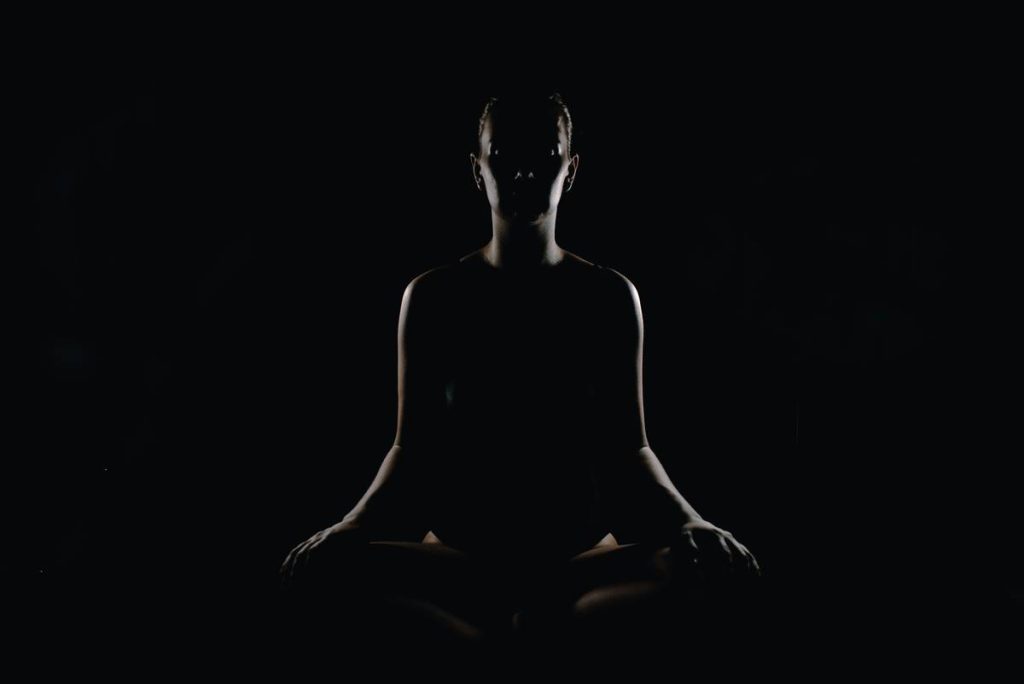
You’re exhausted—but not from physical labor. It’s the low-grade hum of anxiety that never shuts off. Notifications, deadlines, traffic, doomscrolling… your body stays locked in fight-or-flight. And yet you keep trying the same tired “relaxation” hacks: deep breathing apps, lavender oil, ten-minute meditations. They barely scratch the surface. What if true calm isn’t about adding more—it’s about engaging your physiology in a precise, tactile way? Enter the breath ball—a deceptively simple Zen tool engineered for Stress-Free Days.
Why Most Stress-Relief Tactics Fail (And Make You Feel Worse)
Mindfulness apps assume you can quiet your mind through willpower alone. Good luck with that when cortisol is surging. Journaling? Only works if your nervous system isn’t screaming danger. The truth? Your brain doesn’t listen to affirmations when your diaphragm is shallow and stiff.
Chronic stress lives in the breath—not the thoughts. Yet 92% of wellness advice targets cognition, not respiration. That mismatch creates frustration. You end up feeling broken because “calm” remains out of reach.
Here’s the reality: until you physically shift your breathing pattern, mental strategies are just noise.
The Step-by-Step Breath Ball Protocol for Lasting Calm
The breath ball isn’t a toy. It’s a biofeedback device disguised as simplicity. Used correctly, it retrains your autonomic nervous system in under 90 seconds. Follow this sequence daily:
Step 1: Locate Your Diaphragmatic Floor
Lie on your back, knees bent. Place the breath ball (a firm 6–8cm latex sphere) just below your sternum—right where your ribs meet. Breathe normally. Notice how little the ball moves. That’s your baseline: shallow, thoracic breathing.

Step 2: Engage the Ball with Intentional Exhalation
Inhale gently through your nose. On the exhale, press your abdomen down into the ball—firmly but without strain. Imagine pushing it through the floor. This activates your transverse abdominis and signals safety to your vagus nerve.
Step 3: Extend the Exhale-to-Inhale Ratio
Aim for a 4-second exhale (pressing into the ball) followed by a passive 3-second inhale. No force. Just rhythm. Do this for 6 cycles. Your heart rate drops. Mental chatter fades. Not because you “tried,” but because your body received a physiological cue: danger has passed.
| Method | Time Required | Nervous System Impact | Sustainability |
|---|---|---|---|
| Breath Ball Protocol | 90 seconds | Direct vagal activation via diaphragmatic engagement | High—neuroplasticity builds with consistent use |
| Mindfulness Meditation | 10–20 minutes | Indirect; requires cognitive focus (hard under stress) | Moderate—adherence drops under high load |
| Aromatherapy | Immediate but fleeting | Olfactory distraction only—no respiratory retraining | Low—effects wear off within minutes |
The Industry Secret: Breath Balls Work Because They’re Tactile Anchors
Most people miss this: the breath ball’s magic isn’t in the breathing—it’s in the resistance. Your brain trusts physical sensation far more than abstract instruction. When your abdomen presses against the ball, interoceptors fire, sending real-time data to your insula: “We are grounded. We are safe.”
Think about it. You can’t fake this feedback. Apps say “breathe deeply,” but your body might still be gasping. The ball doesn’t lie. It gives immediate, undeniable proof of diaphragmatic movement—making neuro-regulation tangible, not theoretical.
And here’s what no one tells you: consistency beats duration. Two 90-second sessions per day create compound calm. Miss a week? No guilt. Just roll the ball under your sternum again. The pathway reopens instantly.
Frequently Asked Questions
Can I use a tennis ball instead of a breath ball?
No. Tennis balls are too hard and small—they trigger tension, not release. A proper breath ball is slightly yielding (like a dense yoga block) and sized to contact the entire sub-sternal zone without pressure points.
How soon will I feel less stressed?
After one correct session, your HRV (heart rate variability) improves measurably. Subjectively, most report mental quiet within 3 days of twice-daily practice. The key is precise placement—not force.
Do I need to combine it with meditation?
Not at all. In fact, starting with the breath ball before meditation makes mindfulness 3x more effective. But standalone use delivers significant parasympathetic shifts. Simplicity is the point.